Responsible Asset Management

Responsible Asset Management

Committed to safe operations

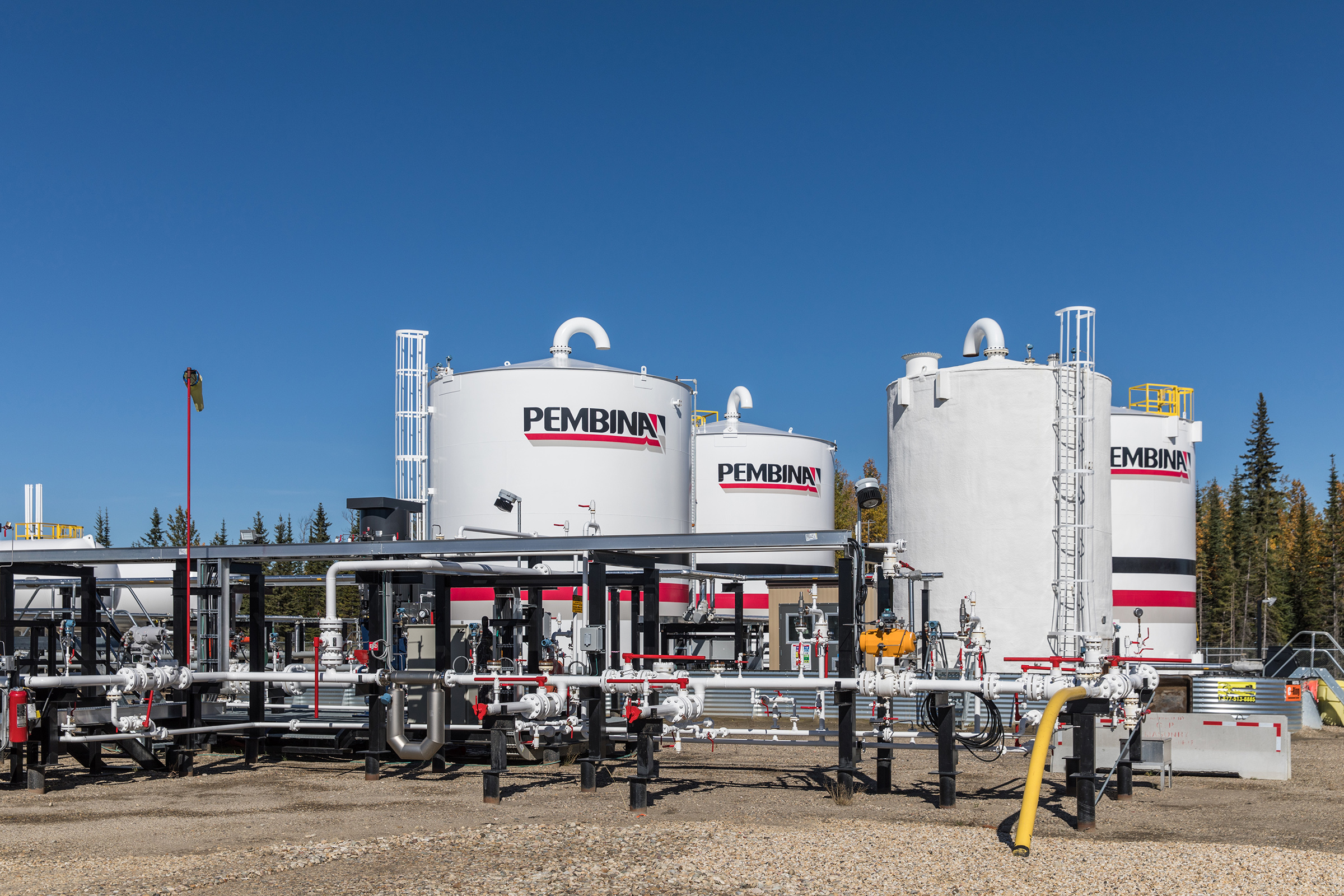
We manage our assets across their full lifecycle and are committed to continuously improving our operations in line with leading standards.

Pembina's view of responsible asset management includes the following topic areas: Asset Management, Emergency Preparedness & Response, Water Management, and Biodiversity & Land Use.


Maintaining the integrity of our pipelines, facilities, and energy infrastructure is critical to delivering safe, reliable and cost-effective operations that protect our people, communities, and the environment.

Learn more about our Asset Management Program.

Integrity Management Programs (IMPs)

Pembina utilizes comprehensive IMPs to guide evaluations and risk assessments to help determine the necessary testing and integrity work required to successfully maintain safe, reliable assets. These programs include the systems, processes, analysis, and documentation to proactively manage our pipelines and facilities and ensure compliance with applicable standards and regulations. We dedicate a significant portion of our annual operating budget directly to integrity management activities to maintain safe and reliable operations.

Damage Prevention and Public Awareness Programs

Pembina’s Damage Prevention Program focuses on the development, implementation and management of robust control programs, effective surveillance and monitoring techniques, and the education of our stakeholders and communities. We focus on mitigating risks through ongoing ground disturbance education and supervision, pipeline crossing assessments, right-of-way patrol, land use and encroachment monitoring, depth of cover management and managing third-party unauthorized activities through education and awareness and regulatory reporting.

The Public Awareness Program defines how we raise awareness about the presence of our assets in the communities in which we operate, the steps required to prevent damage to our assets and the role of our community stakeholders, which include affected public, emergency responders, local officials, and the construction community, in recognizing, reporting and responding to pipeline and facility emergencies.

Learn more about our Damage Prevention Program.

Pembina maintains emergency response and business continuity plans to prepare for, mitigate against, and respond to hazards such as liquid spills, gas releases, fires, and cyber incidents. Our Emergency Response Plans define clear accountabilities and processes to deploy equipment, resources, and trained personnel quickly and effectively. Regular training and exercises ensure readiness, support business continuity, protect people and communities, our assets, and minimize environmental impacts.

View our Emergency Management Plans on our Emergency Preparedness page.

Water is a precious and essential resource. Pembina strives to manage water usage responsibly and mitigate any potential impacts on water resources. Our goal is to return water back into the hydrologic cycle, where possible.

Our Approach to Biodiversity and Land Use
Pembina is committed to land conservation and minimizing the impact of our operations on the environment through:

  • Stakeholder engagement
  • Environmental assessment and planning
  • Managing species of concern
  • Habitat restoration and enhancement

We strive to minimize our environmental impact during construction and operation of our assets by establishing baseline conditions prior to construction and applying mitigation measures to reduce the potential for impact throughout the full asset lifecycle.

Managing Our Impact on Biodiversity
Wildlife Management Plans are implemented across our operations to address risks to species of concern and to outline planned mitigations.
Where wildlife or sensitive habitat features are identified, Pembina uses a mitigation hierarchical approach to limit potential impact to the environment, as follows:

  1. Avoidance: steps are taken to design facilities and pipelines in locations that avoid sensitive habitat or direct disturbance to wildlife. Examples include the placement pipelines or marine infrastructure outside of rare habitats, breeding grounds, or migration routes.
  2. Minimization: where habitat or indirect disturbance cannot be avoided, measures are taken to reduce the duration, intensity and/or extent of impacts. Examples include timing restrictions to avoid breeding or nesting seasons or building wildlife corridors into project design.
  3. Reclamation/restoration: the aim of restoration is to improve degraded or removed ecosystems following impacts that cannot be completely avoided or minimized. Restoration tries to return an area to the original ecosystem to support the plants and animals that were present before impacts.
  4. Habitat enhancements/offsets: offsetting is a non-net loss or net-gain approach to compensate for any residual, adverse impacts after full implementation of the previous three steps of the mitigation hierarchy. Examples include undertaking fish habitat enhancement upstream of river crossings or undertaking land restoration/rehabilitation work on degraded lands outside of Pembina’s operating footprint.

2025 Sustainability Report

Content goes here. And content goes here. Content goes here. And content goes here. Content goes here. And content goes here.
PEMBINA'S COMMITMENT TO SAFE OPERATIONS

EMERGENCY & CONTINUITY MANAGEMENT FACTSHEET

Pembina is prepared to safely and effectively respond to emergency situations, related to or impacting our operations. To learn more about our Emergency Management Program, read our Emergency & Continuity Management Program Factsheet

Emergency Phone Number:
1-800-360-4706

Reporting a pipeline-related incident to Pembina's emergency phone number can help pinpoint its exact location, allowing for a faster response. 

Environmental Stewardship 

To learn more about how Pembina works to protect the environment, read our Commitment to Environment Factsheet